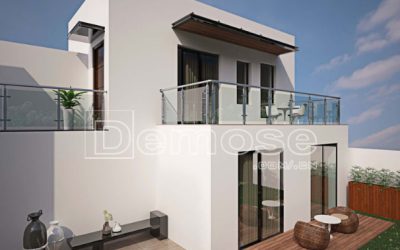
I. Why is railing installation so important?
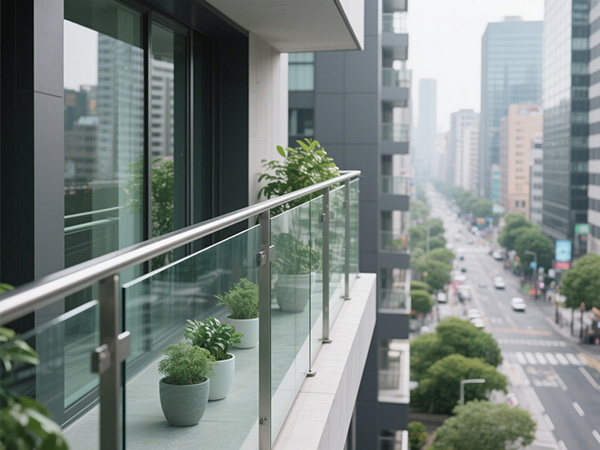
Railways are not only a building’s safety barrier but also a core element that enhances the aesthetics of any space. Railings on outdoor terraces, stairways, and balconies must meet load-bearing standards (≥200 lbs/ft) to prevent falls, especially in areas where children and the elderly are active. Modern design trends emphasize integrating railings into the natural landscape. For example, wire rope systems utilize slender lines to minimize visual obstruction, balancing safety with a sense of transparency.

II. Comparison of Popular Railing Materials
Stainless Steel Wire Rope Systems:
- Advantages: 316-grade stainless steel is corrosion-resistant (especially in coastal areas) and UV-resistant, requiring only soap and water for maintenance. It boasts a tensile strength of up to 2,100 lbs (1/8-inch diameter) and is available in custom lengths.
- Suitable Applications: Balconies, observation decks, and mixed-glass designs.
Metal Posts (Aluminum/Stainless Steel):
- Features: Pre-drilled posts (3.15-inch spacing) simplify installation and support a load capacity of 300 lbs. Rotatable brackets (0-300°) accommodate stair inclinations.
Welded Mesh Panels:
- Design: 4×4-inch mesh construction (6-gauge stainless steel), embedded in a wood/metal frame via rails, suitable for DIY users.
Wood:
- Limitations: Requires regular preservative treatment, prone to cracking and deformation in humid environments, and high maintenance costs.

III. Key to Code-Compliant Installation
Height Standard:
- Outdoor handrails must be between 34-38 inches high and 1.25-2 inches in diameter to meet grip requirements.
Structural Stability:
- Post spacing ≤ 4 feet, reinforce the base with pressure-treated wood blocks, and lock with bolts to prevent wobbling.
- Wire rope tension should be checked regularly to prevent slack (quarterly recommended).
Slanted Stair Compatibility:
- A 37° stair angle is recommended (IBC/ADA compliant), balancing comfort and safety.
IV. Step-by-Step Installation Process
1. Planning and Measuring:
- Mark post locations (≤ 4 feet apart) and calculate the swivel bracket angle for the inclined staircase.
2. Securing Posts:
- Use expansion bolts for concrete bases and mortise screws for wooden bases. Ensure the vertical error of the column is ≤1°.
3. Cable/Panel Installation:
- Thread the wire rope through the pre-drilled holes, secure the ends with crimp pliers, and adjust the tension with a tensioner.
- Insert the mesh panels into the Hog Tracks and apply anti-rust paint to the cutouts.
4. Final Inspection:
- Shake test the column for stability and test the wire rope with a tension meter (working strength ≥ 1,320 lbs).
5. Maintenance and Life Extension: Cleaning:
- Wipe stainless steel with a damp cloth, avoiding acidic cleaners.
- Rust Prevention: In coastal areas, inspect connectors annually. In salt spray environments, apply an anti-rust coating.
- Professional Assessment: Load test every two years to ensure compliance with ASTM D7032.
Recent Posts
-
 Loft Stairs: Design Ideas, Styles, and Material Guide
 -
 Indoor Steel Structure Stairs: The Fusion of Strength and Style
 -
 Framed Glass Railing: A Guide to Style, Safety, and Durability
 -
 Curved Glass Staircase: The Pinnacle of Modern Architectural Design
 -
 Finding the Right Custom Stair Companies for Your Project