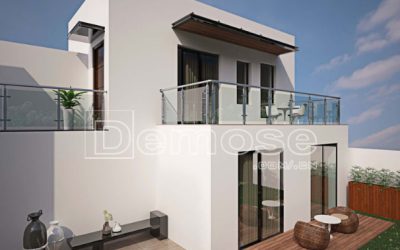
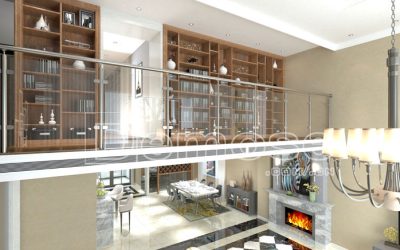
In today’s residential design, a balcony is a highly sought-after feature, offering a private outdoor retreat for relaxation and entertaining. A key element that defines both the safety and the style of this space is the railing. Choosing the right balcony railing is crucial—it must be code-compliant for safety, but it also significantly impacts the aesthetic appeal and functionality of your home.
This guide will answer your key questions about balcony railings, from the correct terminology to the best material for your needs.

What is the Railing on a Balcony Called?
You might hear the railing on a balcony referred to by a few different names. The formal architectural term is a balustrade. This word originates from the Italian balaustra, meaning wild pomegranate flower, a 17th-century reference to the resemblance of the individual posts to a flower’s shape.
A balustrade system consists of:
- Balusters(or spindles): The vertical or horizontal posts that provide support.
- Handrail: The top rail you hold.
- Base Rail: The bottom rail that connects the balusters.
In everyday conversation, however, most people simply call it a balcony railingor guardrail.

Which Balcony Railing Material is Best for You?
The “best” material depends on your desired style, maintenance tolerance, and budget. Here’s a breakdown of the most popular options.
1. Steel Railings: Classic Elegance and Modern Strength
Steel railings are incredibly versatile. They are perfect for traditional homes seeking an ornamental, wrought-iron look, but they also shine in contemporary settings with sleek, horizontal cable railings that provide unobstructed views.
- Pros: Extremely durable and strong. Modern versions feature advanced anti-corrosion coatings (like those used in the automotive industry), making them virtually maintenance-free. This durability makes them excellent for multifamily properties.
- Cons: Can be heavier than other materials and may have a higher initial cost.
2. Glass Railings: Unbeatable, Uninterrupted Views
If maximizing your view and creating a modern, open feel is your priority, glass is the ideal choice. Glass panels offer clear sightlines, making small balconies feel larger and ensuring nothing blocks the scenery.
- Pros:Creates a sense of spaciousness, has a high-end minimalist look, and provides a windbreak that can trap warmth. Requires very little maintenance beyond occasional cleaning.
- Cons:Glass panels may require more frequent cleaning to stay spotless and can be a more expensive option.
3. Aluminum Railings: Modern, Low-Maintenance, and Corrosion-Resistant
Aluminum is a top choice for those who want a modern aesthetic without the maintenance worries. It’s particularly well-suited for coastal homes due to its exceptional resistance to saltwater corrosion.
- Pros:Lightweight yet robust, it won’t rust. Powder-coated finishes are long-lasting and low-maintenance. Pre-assembled panels make installation quick and consistent.
- Cons:May not offer the same heavyweight feel as steel and is generally less suited for highly ornate, traditional designs.

Conclusion
Your balcony railing is a crucial design and safety feature. By considering your architectural style, location, and maintenance preferences, you can select the perfect railing material—whether it’s the classic strength of steel, the invisible elegance of glass, or the practical durability of aluminum. A well-chosen railing will not only keep you safe but also enhance your enjoyment of your outdoor oasis for years to come.
Recent Posts
-
 Loft Stairs: Design Ideas, Styles, and Material Guide
 -
 Indoor Steel Structure Stairs: The Fusion of Strength and Style
 -
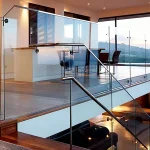 Framed Glass Railing: A Guide to Style, Safety, and Durability
 -
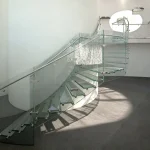 Curved Glass Staircase: The Pinnacle of Modern Architectural Design
 -
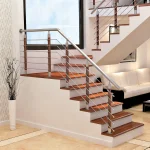 Finding the Right Custom Stair Companies for Your Project