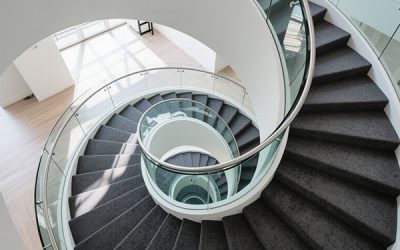
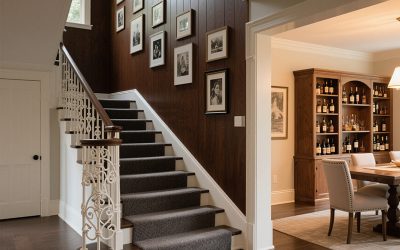
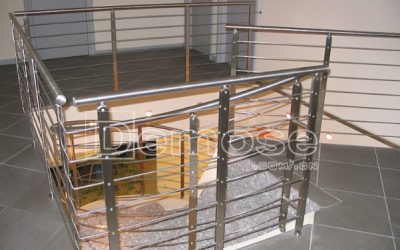
When we talk about railings, it’s easy to think of them as a simple finishing touch. But in commercial, public, and high-traffic residential spaces, railings are a critical piece of live-action engineering. This term refers to railings that are designed, engineered, and built to perform reliably under the daily stresses of real-world use—from heavy foot traffic and environmental exposure to meeting stringent safety codes.
Unlike purely decorative pieces, live-action engineering railings are where robust functionality meets exceptional design.
What Defines a Live-Action Engineering Railing?
Several key factors separate a standard railing from one built with live-action engineering principles:
- Structural Integrity: Every component, from the posts and balusters to the handrails, is calculated to withstand specific loads and forces, ensuring long-term stability and safety.
- Code Compliance: These railings are designed to meet or exceed local building codes for height, spacing, and strength, which is non-negotiable for public safety.
- Durability & Material Selection: Materials are chosen not just for their look, but for their performance. This could mean stainless steel for its corrosion resistance in coastal areas, or extra-thick aluminum for a lightweight yet incredibly strong structure.
- Ergonomics & User Experience: The handrail must be comfortable to grip and continuous where required. The design must consider the end-user’s experience, ensuring ease of use for all.
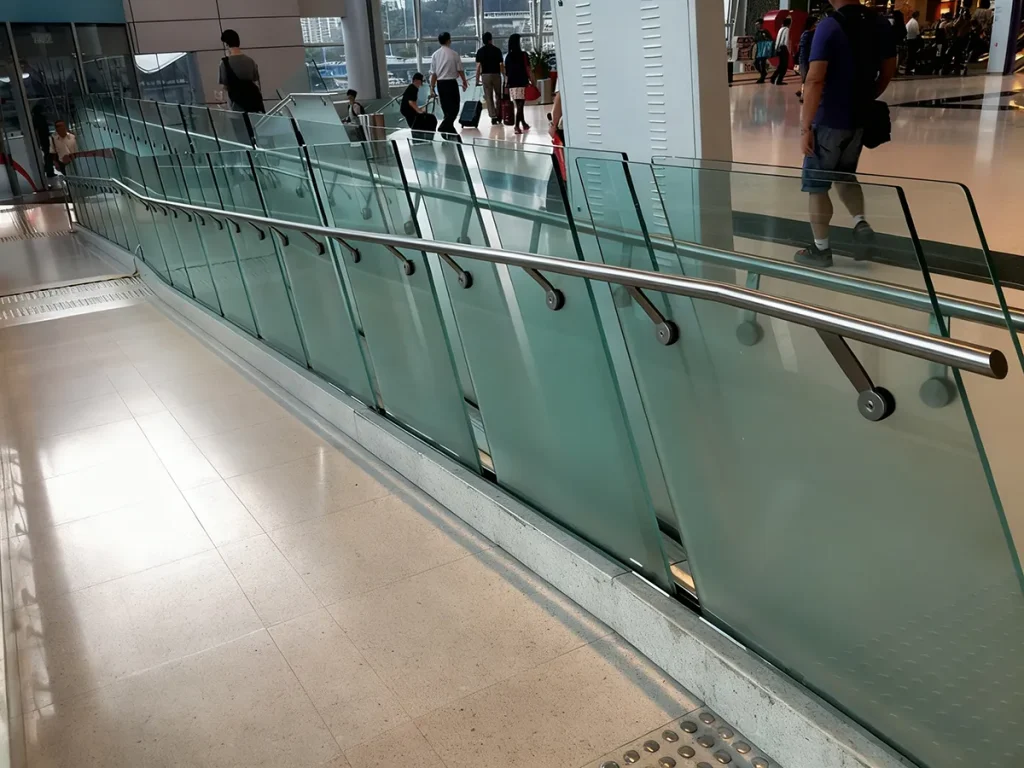
The Design Process: From Concept to Reality
Creating a successful live-action railing involves a meticulous process:
- Assessment & Planning: It starts with understanding the environment—is it a busy staircase in a corporate office, a balcony overlooking the sea, or a public walkway? We assess the spatial constraints and functional requirements.
- Engineering & Design: This is the core of live-action engineering. Our team creates detailed designs that balance aesthetic vision with technical specifications, ensuring the railing is both beautiful and built to last.
- Fabrication & Finishing: Using precision manufacturing techniques, we fabricate each component. The finishing process (e.g., powder coating, polishing) is applied to protect the railing and achieve the desired aesthetic.
- Professional Installation: Proper installation by experienced technicians is crucial to ensure the railing performs as engineered.
View Our Case Studies to see how we’ve applied these principles in various projects.
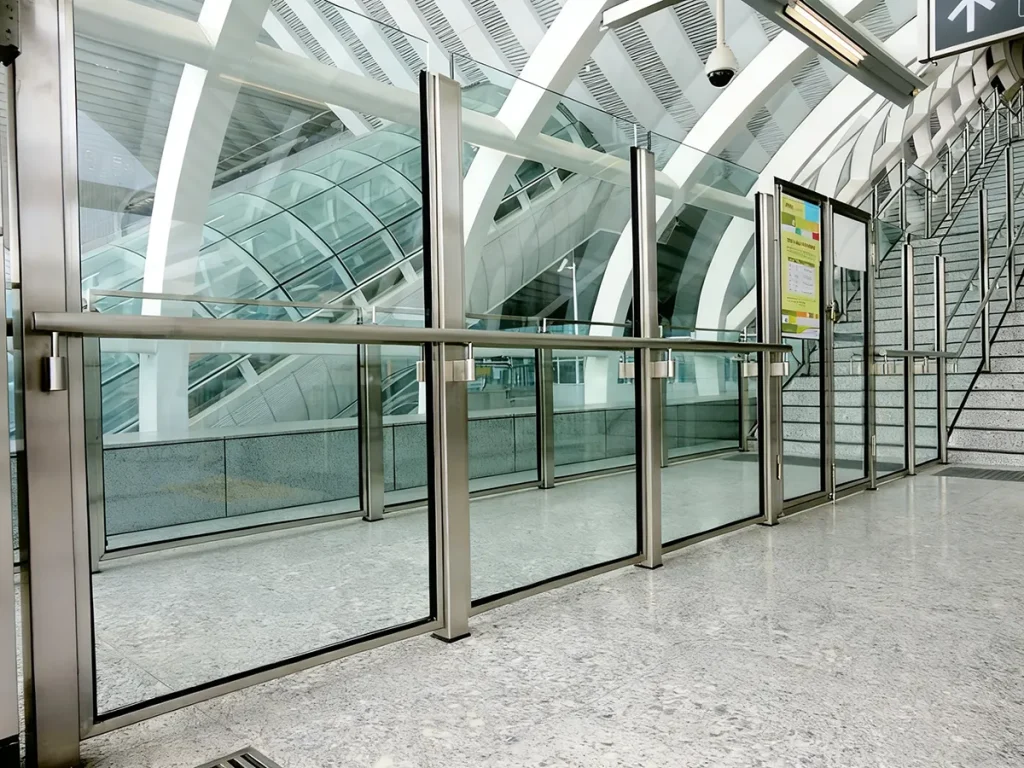
Materials for Demanding Environments
The choice of material is central to the railing’s performance:
- Stainless Steel: The go-to for superior strength and corrosion resistance. Ideal for harsh climates and high-traffic areas.
- Aluminum: A versatile, lightweight, and rust-proof option, often finished with a durable powder coat for color and added protection.
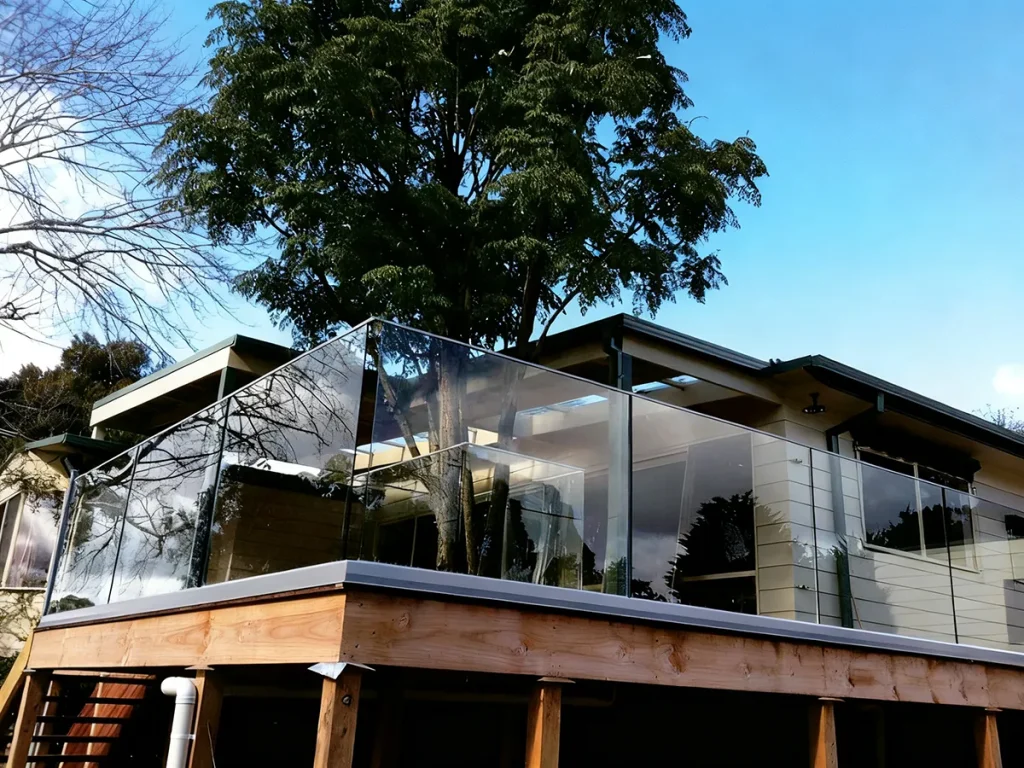
- Tempered Glass: Used for infill panels, it provides safety without obstructing views, requiring engineering for secure mounting and impact resistance.
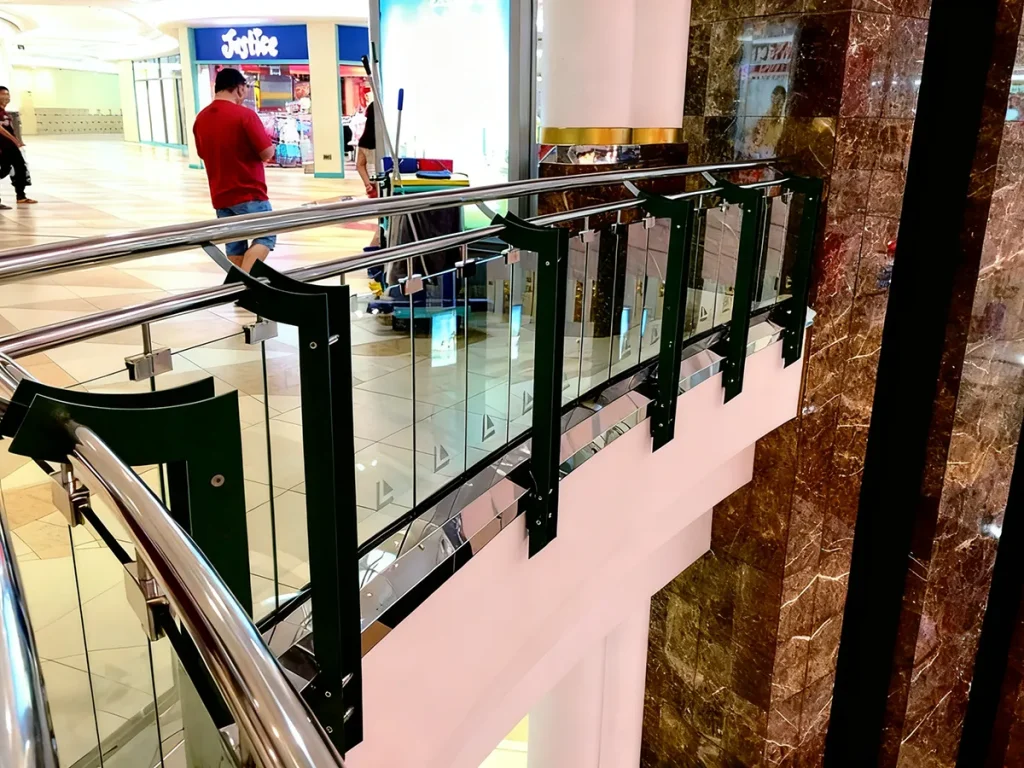
Demose: Your Partner in Engineered Railing Solutions
At Demose, we specialize in the custom engineering and fabrication of high-performance railings. We understand that a railing must be more than just visually appealing; it must be a dependable, safe, and integral part of a building’s structure. Our approach combines advanced engineering with skilled craftsmanship to deliver railings that stand the test of time and use, perfectly tailored to your specific project requirements and architectural style.
Recent Posts
-
 Loft Stairs: Design Ideas, Styles, and Material Guide
 -
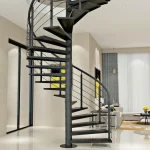 Indoor Steel Structure Stairs: The Fusion of Strength and Style
 -
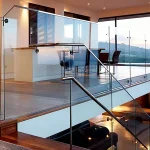 Framed Glass Railing: A Guide to Style, Safety, and Durability
 -
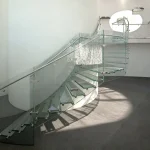 Curved Glass Staircase: The Pinnacle of Modern Architectural Design
 -
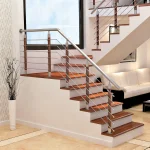 Finding the Right Custom Stair Companies for Your Project