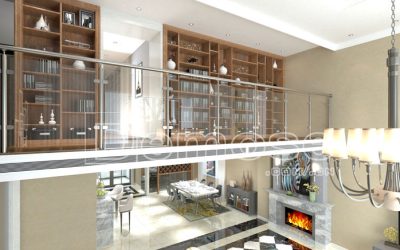
To ensure glass railings are stable and safe, it is necessary to systematically consider every link from design, material selection to installation and acceptance. The table below summarizes the core key points of each critical stage to help you quickly grasp the essentials.
| Key Links | Core Key Points |
|---|---|
| Structural Design | Standardized design calculations, reserving expansion and contraction gaps (e.g., a gap of 8mm is recommended between glass panels), and accounting for construction errors. |
| Material Selection | Glass should preferably be laminated glass with edging and chamfering; wall thickness of metal components (e.g., columns, handrails) must meet standards (e.g., the wall thickness of stainless steel pipe columns should not be less than 2.0mm). |
| Installation & Construction | Accurate and secure positioning of embedded parts/rear-embedded steel plates; reliable welding quality (full welding followed by grinding and anti-rust treatment); using elastic pads (e.g., neoprene rubber pads) for glass installation and sealing with silicone sealant. |
| Acceptance & Maintenance | Checking installation stability, verticality, straightness, etc. (specific allowable deviations apply); regularly inspecting the condition of connections and sealant. |
💡 In-Depth Understanding of Critical Details
- Regarding Glass Selection & Treatment: According to the industry standard Technical Standard for Building Protective Railings JGJ/T470-2019, laminated glass is preferred for building protective railings. This is because laminated glass, even if cracked by impact, will keep fragments adhered together by the interlayer film, preventing falling debris and enhancing safety far beyond ordinary tempered glass. Additionally, glass edges must undergo edging and chamfering, which not only prevents cuts but also reduces the risk of self-explosion due to edge stress concentration.
- Regarding Metal Component Specifications: The stability of railings heavily depends on the strength of the metal frame. Standards specify clear requirements for the wall thickness of columns and handrails made of various materials. For example, the wall thickness of stainless steel pipe columns should not be less than 2.0mm, and the wall thickness of handrails should not be less than 1.5mm. Verifying material specifications during procurement is critical to ensuring structural rigidity.
- Regarding “Elastic” Details in Installation: Although glass is rigid, “flexible” handling is required during installation. Elastic pads such as neoprene rubber pads must be used to separate the bottom of the glass from metal grooves—direct contact with hard metal surfaces is prohibited. The gaps reserved between glass panels, combined with silicone sealant, buffer and accommodate minor structural deformations. These details release stress and prevent glass from cracking due to being “rigidly constrained.”

⚠️ Special Safety Precautions
Safety measures are critical during glass railing installation, especially for high-altitude work. Workers must wear safety harnesses, set up warning lines and signs on-site, and assign dedicated personnel to patrol and prevent falling objects from injuring people. Large glass panels must be handled with professional tools like suction cups during transportation.
We hope this detailed guide helps you create glass railings that are both aesthetically pleasing and stable/safe. If you have more specific application scenarios (e.g., home balconies, commercial staircases), I can provide more targeted information.
Recent Posts
-
 Loft Stairs: Design Ideas, Styles, and Material Guide
 -
 Indoor Steel Structure Stairs: The Fusion of Strength and Style
 -
 Framed Glass Railing: A Guide to Style, Safety, and Durability
 -
 Curved Glass Staircase: The Pinnacle of Modern Architectural Design
 -
 Finding the Right Custom Stair Companies for Your Project