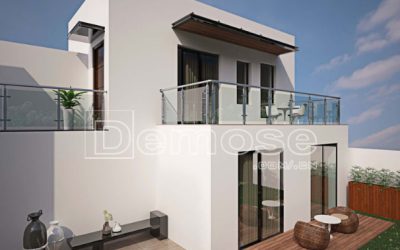
In the world of architectural design and construction, railings serve as critical safety features while also contributing significantly to the aesthetic appeal of a space. Among the various options available, wire and glass railings have emerged as popular choices for both residential and commercial projects. These systems combine functionality with a sleek, contemporary look, offering unobstructed views and durability. This article delves into the intricacies of wire and glass railings, exploring their types, benefits, applications, installation considerations, and maintenance. Whether you’re a homeowner, architect, or builder, understanding these elements can help you make informed decisions for your next project.

Wire railings, often referred to as cable railings, utilize high-tensile stainless steel wires tensioned between posts to create a minimalist barrier. They are known for their strength and transparency, allowing for maximum visibility. Glass railings, on the other hand, typically feature tempered or laminated glass panels held in place by frameless or framed systems, providing a seamless and modern appearance. Both options have evolved with advancements in materials and engineering, making them suitable for a wide range of environments, from coastal homes to high-rise buildings.
Understanding Wire Railings
Wire railings have gained popularity due to their ability to blend safety with an open, airy feel. The core component is stainless steel wire, which is resistant to corrosion and can withstand harsh weather conditions. These wires are typically arranged horizontally or vertically, secured by posts made of materials like stainless steel, aluminum, or wood. The tensioning system is crucial; it ensures the wires remain taut and compliant with safety codes, such as those requiring a maximum gap size to prevent accidents.

One of the key advantages of wire railings is their versatility. They can be customized to fit curved or straight surfaces, making them ideal for decks, staircases, and balconies. From a design perspective, they offer a “invisible” barrier that doesn’t obstruct views, which is particularly beneficial for properties with scenic surroundings. However, wire railings may require periodic tightening of wires to maintain tension, and in some cases, they might not provide the same level of solidity as other railing types. Proper installation by professionals is essential to ensure longevity and safety.
Exploring Glass Railings
Glass railings are synonymous with luxury and modernity. They use tempered glass, which is up to five times stronger than regular glass and designed to shatter into small, blunt pieces if broken, reducing injury risks. The glass can be clear, frosted, or tinted, offering options for privacy or decorative effects. Framing systems vary: frameless glass railings use minimal hardware for a clean look, while framed systems incorporate metal or wood channels for added support.

The primary benefit of glass railings is their ability to create a barrier that seems almost invisible, enhancing light flow and providing uninterrupted views. This makes them a favorite for infinity pools, skyscrapers, and contemporary homes. They are easy to clean and maintain, though they can show fingerprints and smudges more easily than other materials. On the downside, glass railings may be more expensive initially and require careful handling during installation to avoid cracks. Innovations like laminated glass with interlayers have improved safety further, making them a reliable choice for high-traffic areas.
Comparative Analysis: When to Choose Wire or Glass
Choosing between wire and glass railings depends on factors such as budget, aesthetic preferences, and practical needs. Wire railings are often more cost-effective and easier to install in complex layouts, but they might not suit environments where a solid barrier is desired for wind protection or child safety. Glass railings offer superior transparency and a premium feel, yet they can be heavier and require robust structural support. In some projects, a hybrid approach—combining wire and glass elements—can achieve a unique balance. For instance, glass panels might be used for the main barrier with wire infills for decorative accents.

Both types must meet local building codes, which typically specify height requirements (e.g., 36 to 42 inches for residential use) and load capacities. Consulting with experts during the planning phase can help navigate these regulations. Demose, as a specialist in custom railing manufacturing, has experience in advising clients on such choices, ensuring compliance and optimal performance based on years of industry knowledge.
Applications and Innovations
Wire and glass railings are versatile enough for diverse settings. In residential applications, they are commonly used for balconies, terraces, and interior staircases, adding a touch of elegance without compromising space. Commercially, they appear in offices, hotels, and retail spaces, where aesthetics and safety are paramount. Industrial sites might use heavy-duty wire railings for catwalks, while glass railings in public areas like museums can enhance the visitor experience by maintaining sightlines.

Recent innovations include eco-friendly options, such as recycled glass panels and low-impact manufacturing processes. Smart railings with integrated LED lighting or sensors are also emerging, blending functionality with technology. Demose has kept pace with these trends, offering customizable solutions that cater to evolving architectural demands. Their focus on precision engineering ensures that each railing system is tailored to the project’s specifications, whether it’s a coastal property requiring corrosion-resistant materials or a urban loft seeking a minimalist design.
Installation and Maintenance Considerations
Proper installation is critical for the performance and safety of wire and glass railings. For wire systems, tension must be evenly distributed, and posts securely anchored to the structure. Glass installations demand careful measurement and handling to prevent stress points; this often involves professional teams using specialized tools. Common pitfalls include inadequate foundation support or incorrect gap spacing, which can lead to failures over time.

Maintenance is generally low for both types. Wire railings benefit from occasional cleaning with mild soap and water to prevent dirt buildup, along with checks for loose tension. Glass railings require regular wiping with glass cleaner to maintain clarity, and inspections for chips or cracks. In corrosive environments, such as near the ocean, stainless steel components should be inspected for signs of wear. Demose emphasizes the importance of post-installation support, providing guidelines to clients for long-term care, which aligns with their commitment to quality and customer satisfaction.
Conclusion
Wire and glass railings represent the fusion of safety, durability, and modern design. They offer solutions that can transform spaces by maximizing visibility and enhancing aesthetic appeal. While each type has its own set of advantages and considerations, the key to a successful project lies in careful planning, professional installation, and routine maintenance. As the industry evolves, these railing systems continue to adapt, incorporating new materials and technologies to meet the demands of contemporary architecture.

Demose, with its expertise in custom railing production, stands as a reliable partner in this field. Founded on principles of innovation and craftsmanship, the company has built a reputation for delivering tailored solutions that meet international standards. By focusing on client needs and technical excellence, Demose helps bring visionary projects to life, without the need for overt promotion—allowing the quality of their work to speak for itself. Whether you’re considering wire, glass, or a combination, understanding these options can lead to informed, effective choices for any building endeavor.
Recent Posts
-
 Loft Stairs: Design Ideas, Styles, and Material Guide
 -
 Indoor Steel Structure Stairs: The Fusion of Strength and Style
 -
 Framed Glass Railing: A Guide to Style, Safety, and Durability
 -
 Curved Glass Staircase: The Pinnacle of Modern Architectural Design
 -
 Finding the Right Custom Stair Companies for Your Project