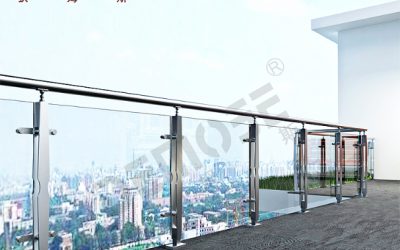
If you’ve ever found yourself wondering, “what do you call that protective barrier on a balcony?”, you’re not alone. The most common and technically accurate term is a balcony railing or balcony guardrail.
While “balcony fence” is sometimes used in casual conversation, especially in certain regions, “railing” is the preferred term in architecture, construction, and manufacturing. Understanding this terminology can help you communicate more effectively when you need to repair, replace, or design one for your home.
Why is it Called a Railing?
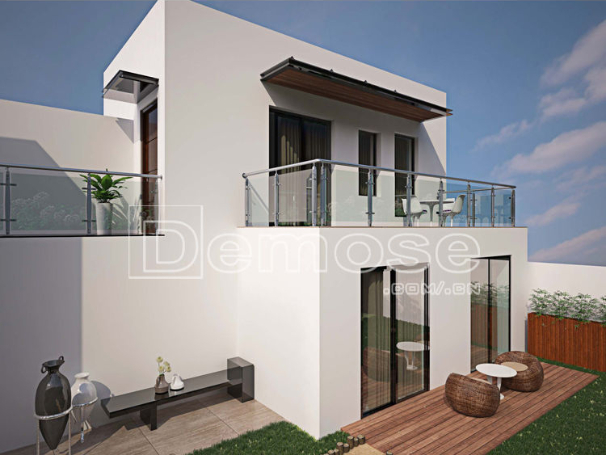
The term “railing” comes from the word “rail,” which refers to a horizontal bar. Traditional railings are built with a top rail that you can lean on, making the name very descriptive. Its primary purpose is safety—to prevent falls from an elevated area—but it also serves as a key design element that defines the character of your balcony.
Key Components and Common Materials
A typical balcony railing system consists of several parts:
- Top Rail: The horizontal bar you grip.
- Balusters or Spindles: The vertical posts that support the top rail.
- Infills: The materials between the balusters, which can be glass, metal wires, or panels.
Balcony railings are made from various materials to suit different architectural styles and maintenance preferences:
- Glass Railings: Offer unobstructed views and a modern, sleek look. They often use frameless glass panels secured with discrete clamps.
- Metal Railings: Including aluminum, steel, and wrought iron. Aluminum is lightweight and rust-resistant, while steel offers great strength. Wrought iron is popular for its classic, ornate designs.
- Wood Railings: Provide a warm, traditional feel. They require more maintenance to protect against weather but are a timeless choice.
View Our Projects:
To see how these materials and styles look in real-world applications, you can view our projects here. Our case studies show a range of custom solutions for different types of homes and commercial buildings.
A Note on Safety and Building Codes
No matter what you call it, a balcony railing must meet specific safety standards and local building codes. These regulations dictate the minimum height (usually 36 to 42 inches) and the strength required to withstand pressure. When planning a project, it’s crucial to work with professionals who understand these requirements.
About Demose
At Demose, we are a specialized manufacturer focused on the custom design and production of high-quality railings. With years of experience, we work with architects, contractors, and homeowners to create railing systems that are not only safe and compliant but also aesthetically tailored to each project’s unique vision. Our expertise lies in bringing custom designs to life with precision and quality craftsmanship.
Conclusion
So, the next time you refer to the barrier on your balcony, “railing” or “guardrail” will be the most accurate terms. It’s a crucial feature that blends safety with style. If you are considering a new railing for your balcony, exploring different materials and designs is the first step toward enhancing your space.
For more inspiration and information on custom options, feel free to browse our website.
Recent Posts
-
 Loft Stairs: Design Ideas, Styles, and Material Guide
 -
 Indoor Steel Structure Stairs: The Fusion of Strength and Style
 -
 Framed Glass Railing: A Guide to Style, Safety, and Durability
 -
 Curved Glass Staircase: The Pinnacle of Modern Architectural Design
 -
 Finding the Right Custom Stair Companies for Your Project