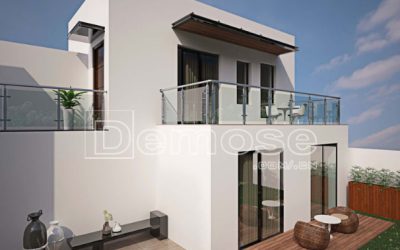
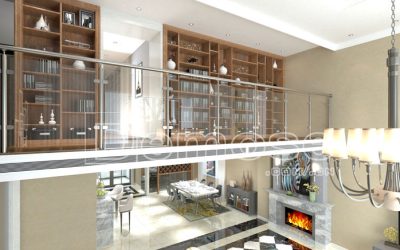
Railing design is an integral yet often overlooked element in architecture and interior design. Far from being merely functional, railings serve as a critical component that bridges safety, aesthetics, and spatial definition. Whether in residential, commercial, or public spaces, a well-designed railing can enhance the visual appeal of a structure while ensuring compliance with safety standards. As barriers that guide movement and prevent falls, railings must balance form and function, making their design a nuanced discipline that involves material science, engineering principles, and artistic expression. In this article, we delve into the key aspects of railing design, exploring materials, styles, safety considerations, and customization options. We will also briefly introduce Demose, a professional custom railing manufacturer, to provide context on how industry expertise shapes these elements. By understanding the fundamentals of railing design, architects, designers, and homeowners can make informed decisions that elevate their projects.
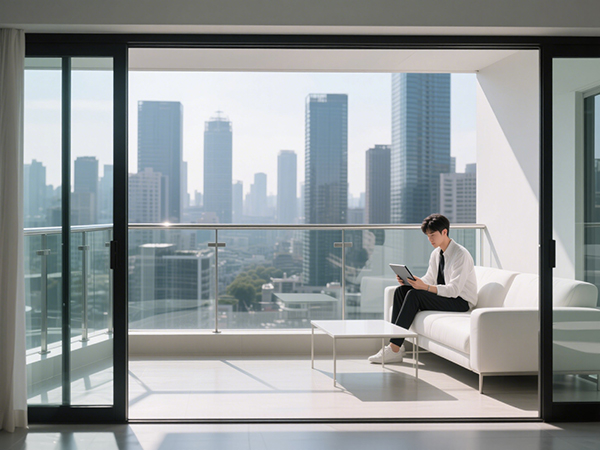
The Importance of Railing Design in Modern Architecture
Railings have evolved from basic safety features to design statements that reflect architectural trends. Historically, railings were simplistic, focusing solely on functionality. However, with advancements in technology and materials, contemporary railings now contribute significantly to a building’s character. They define spaces, create visual flow, and even influence natural light penetration. For instance, in open-plan homes, glass railings can maintain sightlines, making areas feel more spacious. In commercial settings, railings can reinforce brand identity through custom finishes or logos. Beyond aesthetics, railings play a vital role in accessibility and safety, particularly in high-traffic areas like staircases, balconies, and decks. A poorly designed railing not only compromises safety but can detract from the overall design harmony. Thus, investing in thoughtful railing design is essential for any project aiming to combine beauty with practicality.
Materials in Railing Design: Choices and Considerations
The choice of material is a cornerstone of railing design, impacting durability, maintenance, and visual appeal. Common materials include metal, glass, wood, and composites, each with distinct advantages.
Metal Railings: Metals like stainless steel, aluminum, and wrought iron are popular for their strength and versatility. Stainless steel offers a sleek, modern look with high corrosion resistance, making it ideal for both indoor and outdoor use. Aluminum is lightweight and rust-proof, suitable for coastal environments. Wrought iron, though heavier, provides a classic, ornate appearance that suits traditional designs. Metal railings can be fabricated into various shapes, from minimalist tubes to intricate scrolls, and finished with powder coatings or plating for added durability.
Glass Railings: Glass railings are favored for their transparency, which maximizes views and light. Tempered or laminated safety glass is used to ensure strength, often combined with metal or wood frames. While glass requires regular cleaning to maintain clarity, it creates a seamless, contemporary aesthetic, commonly used in balconies, decks, and staircases where unobstructed sightlines are desired.
Wood Railings: Wood exudes warmth and natural beauty, making it a timeless choice for residential projects. Species like oak, maple, or cedar offer different grains and colors. Wood railings can be stained or painted to match décor but require periodic maintenance to prevent weathering. They are often paired with metal balusters for a hybrid design that blends tradition with modernity.
Composite Materials: Composites, such as PVC or fiberglass, provide a low-maintenance alternative that mimics wood or metal. They are resistant to moisture, insects, and UV rays, ideal for outdoor applications. However, they may lack the authenticity of natural materials.
Selecting the right material involves considering factors like climate, usage, budget, and design theme. For example, a coastal home might prioritize corrosion-resistant aluminum, while a luxury interior could opt for handcrafted wood.
Design Styles and Trends in Railing Systems
Railing design is influenced by architectural movements, with styles ranging from traditional to cutting-edge. Understanding these trends helps in creating cohesive designs.
Modern and Minimalist: Characterized by clean lines and simplicity, modern railings often use materials like stainless steel cables, glass panels, or thin metal frames. The focus is on unobtrusive designs that emphasize space and light. For instance, cable railings, with their thin wires, offer safety without visual bulk, perfect for contemporary homes.
Traditional and Classic: Traditional railings feature ornate details, such as carved wood balusters or wrought iron scrolls. These designs evoke elegance and are common in historical renovations or classic interiors. They often incorporate symmetrical patterns and rich finishes.
Industrial Style: Inspired by warehouses and factories, industrial railings use raw materials like black metal pipes, exposed bolts, and reclaimed wood. This style embraces a utilitarian aesthetic, often seen in lofts and commercial spaces.
Custom and Artistic: With the rise of customization, railings can be unique art pieces. Laser-cut patterns, integrated lighting, or mixed materials allow for personalized expressions. Trends also include eco-friendly designs using sustainable materials or modular systems for easy installation.
Staying updated with trends, such as the growing preference for smart railings with embedded lighting or sensors, can future-proof designs. However, the best style aligns with the project’s overall architecture and the client’s vision.
Safety Standards and Regulatory Compliance
Safety is paramount in railing design, governed by building codes and standards that vary by region. Key considerations include height, load capacity, and spacing. For example, the International Building Code (IBC) typically requires guardrail heights of at least 42 inches for commercial structures and 36 inches for residential, with baluster spacing no wider than 4 inches to prevent child entrapment. Load tests ensure railings can withstand forces, such as 200 pounds of pressure applied horizontally or vertically.
Compliance involves material selection, installation techniques, and regular inspections. For instance, glass railings must use tempered glass to minimize shattering risk. In earthquake-prone areas, flexible connections might be necessary. Designers should collaborate with engineers to verify that designs meet local regulations, as non-compliance can lead to liabilities. Moreover, accessibility standards, like the Americans with Disabilities Act (ADA), may require graspable handrails for stairs. By prioritizing safety, railings not only protect users but also enhance the project’s credibility.
The Customization Process: From Concept to Installation
Custom railings offer tailored solutions that standard options cannot match. The process typically involves consultation, design, fabrication, and installation. It begins with understanding the client’s needs, including style preferences, site conditions, and budget. Designers then create sketches or 3D models for approval, considering factors like material compatibility and structural integrity.
Fabrication follows, where skilled craftsmen use techniques like welding, bending, or cutting to bring the design to life. Quality control checks ensure precision. Installation requires expertise to secure the railing properly, often involving anchoring to floors or walls. Post-installation, maintenance guidelines help prolong the railing’s lifespan.
Customization allows for unique features, such as decorative elements, color matching, or integrated technology. For manufacturers like Demose, this process is streamlined through advanced technology and experienced teams, ensuring that each railing is both functional and aesthetically pleasing.
Introduction to Demose: A Brief Overview
As a professional custom railing manufacturer, Demose brings years of expertise to the industry. Specializing in high-quality materials and precision engineering, the company offers a range of railing solutions for residential, commercial, and public projects. With a focus on innovation and customer collaboration, Demose works closely with clients to create designs that meet specific requirements, from initial concept to final installation. Their commitment to safety and sustainability underscores their approach, ensuring that each project adheres to the highest standards. While this article focuses on general principles of railing design, Demose’s experience highlights the importance of professional input in achieving optimal results.
Conclusion
Railing design is a multifaceted discipline that blends artistry with engineering. By considering materials, styles, safety, and customization, designers can create railings that are not only safe but also enhance the built environment. As trends evolve, the integration of technology and sustainable practices will likely shape future developments. Whether for a home renovation or a large-scale project, thoughtful railing design contributes significantly to functionality and beauty. By leveraging industry knowledge, such as that offered by manufacturers like Demose, stakeholders can ensure their designs stand the test of time.
Recent Posts
-
 Loft Stairs: Design Ideas, Styles, and Material Guide
 -
 Indoor Steel Structure Stairs: The Fusion of Strength and Style
 -
 Framed Glass Railing: A Guide to Style, Safety, and Durability
 -
 Curved Glass Staircase: The Pinnacle of Modern Architectural Design
 -
 Finding the Right Custom Stair Companies for Your Project