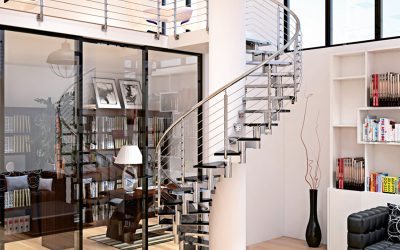
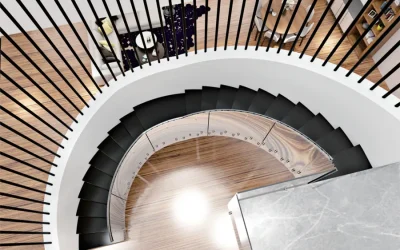
The winding stair, more commonly known as the spiral staircase, is more than just a functional element to connect floors. It is a sculptural centerpiece, a feat of engineering, and a feature rich with historical symbolism. From the steps of medieval stone towers to the airy, modern atriums of today, the helical form of the winding stair has captivated architects and homeowners for centuries.
This article explores the enduring appeal, key design considerations, and the unique atmosphere a winding stair can bring to any space.
A Brief History of the Helix
The origins of the winding stair are deeply practical. In ancient castle keeps and defensive towers, spiral staircases were designed to give right-handed defenders an advantage, winding clockwise to allow for a greater swing radius. But beyond their strategic use, they were space-saving marvels, requiring a smaller footprint than a straight flight.
Over time, this practicality evolved into grandeur. During the Renaissance and Gothic periods, winding stairs became expressions of artistry and status. Elaborate stone and wrought-iron spirals, like the famous Bramante Staircasein the Vatican Museums, were created as breathtaking architectural wonders, demonstrating incredible craftsmanship.

The Design and Impact of a Winding Stair
What makes a winding stair such a powerful design choice?
- Space Efficiency: Its primary practical benefit remains. A winding stair is an ideal solution for tight spaces, such as city townhouses, lofts, or as a secondary access point to a study or library.
- Sculptural Beauty: A well-designed spiral staircase is a piece of art. Its continuous, flowing lines draw the eye upward, creating a dynamic focal point that adds movement and elegance to a room.
- A Sense of Journey: Unlike a straightforward flight, a winding stair creates a feeling of anticipation and discovery. The gradual reveal as one ascends adds a layer of drama and intrigue to the architecture.
Key Considerations for a Modern Winding Stair
When integrating a winding stair into a contemporary home, several factors come into play:
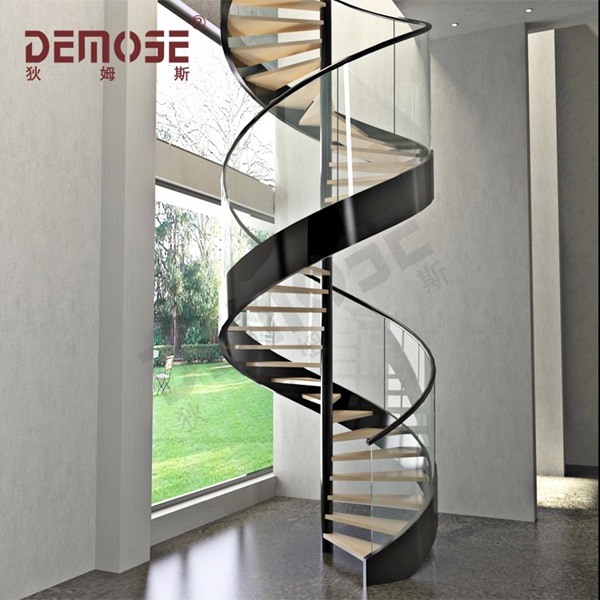
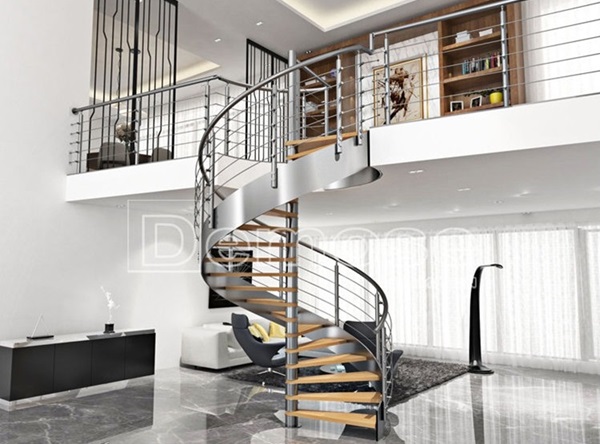
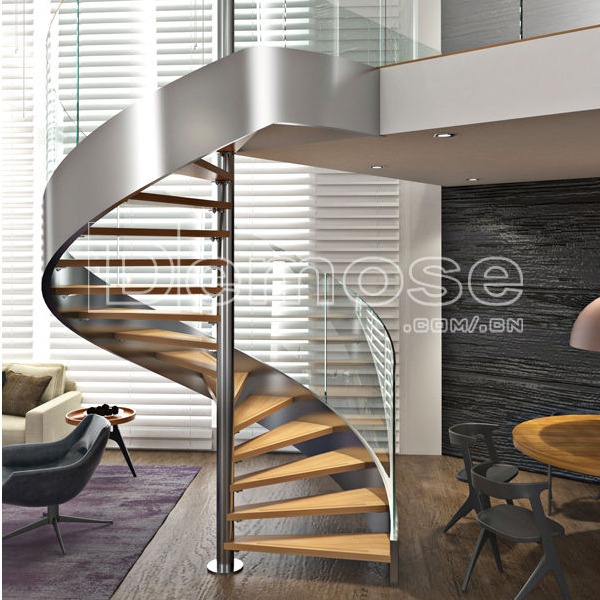
- Materials: Modern technology has expanded the possibilities far beyond stone and iron. A combination of materials can define the stair’s character. Think of a sleek, floating design with tempered glass balustrades for a minimalist look, or a warm, wooden helix with a forged metal handrail for a more rustic, industrial feel.
- Ergonomics and Safety: Comfort and safety are paramount. The tread width, the height of the risers, and the diameter of the spiral all contribute to how easy and safe the staircase is to use daily. A knowledgeable design is crucial.
- Lighting: Strategic lighting can enhance the stair’s form. Recessed step lights can ensure safety, while a statement pendant light hanging above the well can accentuate the spiral’s beautiful geometry.
Crafting Your Unique Staircase
A winding stair is a significant architectural investment. Its success hinges on precision engineering and exceptional craftsmanship. It requires a deep understanding of materials, structural physics, and aesthetic balance to create a staircase that is not only stunning but also built to last for generations.
At Demose, we have been dedicated to the art of staircase manufacturing since 2000. We understand that a staircase is the backbone of a home’s vertical flow. Our team works with architects, designers, and homeowners to bring visionary staircase projects to life, combining time-tested techniques with modern technology. We focus on creating a perfect blend of form and function, ensuring your winding stair is a safe, beautiful, and enduring part of your home.
Whether you are drawn to the historic charm of a classic spiral or the clean lines of a contemporary design, the winding stair remains a powerful way to add function, history, and undeniable elegance to any architectural setting.
Recent Posts
-
 Loft Stairs: Design Ideas, Styles, and Material Guide
 -
 Indoor Steel Structure Stairs: The Fusion of Strength and Style
 -
 Framed Glass Railing: A Guide to Style, Safety, and Durability
 -
 Curved Glass Staircase: The Pinnacle of Modern Architectural Design
 -
 Finding the Right Custom Stair Companies for Your Project