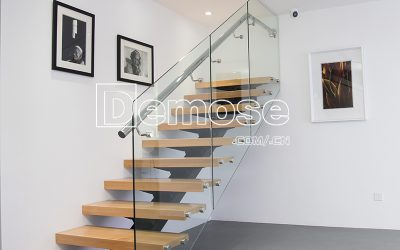
The staircase is more than a functional element connecting floors; it is the centerpiece of an architectural space, a statement of design intent, and a testament to craftsmanship. For architects, builders, and discerning homeowners sourcing products globally, importing a custom-designed staircase offers an unparalleled opportunity to achieve unique aesthetics, superior quality, and often, exceptional value. However, navigating the international landscape of manufacturing and logistics requires careful planning and a trusted partner.
This guide delves into the critical aspects of importing staircases, from the initial design inspiration to the final installation, providing a professional framework for a successful project.
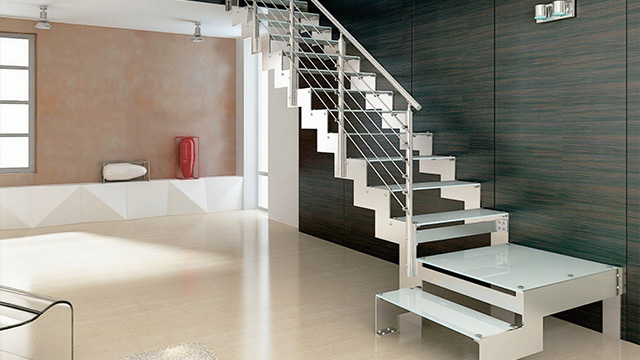
The Allure of Global Sourcing: Why Import a Staircase?
The decision to source a staircase from an international manufacturer is driven by several compelling factors:
- Access to Specialized Craftsmanship: Certain regions have cultivated centuries-old traditions in woodworking, metal fabrication, and glasswork. Manufacturers in these areas possess skills and techniques that are rare or cost-prohibitive elsewhere. Importing allows you to tap into this deep well of artisan expertise.
- Cost-Effectiveness without Compromise: By leveraging efficient manufacturing processes and supply chains, specialized manufacturers can often produce high-end, custom staircases at a more competitive price point than local fabricators, without sacrificing quality. This enables larger budgets to be allocated towards premium materials and intricate designs.
- Unmatched Material Selection: International manufacturers often have direct access to a wider variety of raw materials. Whether it’s specific grades of European oak, sustainably harvested tropical hardwoods, or specialized metals and glass, global sourcing expands the palette of possibilities for your design.
- Technical Innovation and Engineering: Leading manufacturers invest heavily in technology, combining Computer-Aided Design (CAD) and Computer Numerical Control (CNC) machining with hand-finishing. This synergy ensures precision engineering for complex geometries—such as spiral, floating, or cantilevered staircases—that meet the highest safety standards.

Key Considerations When Selecting a Manufacturer
Choosing the right manufacturing partner is the most critical step in the process.
- Portfolio and Expertise: Scrutinize the manufacturer’s portfolio. Do they have experience with the style of staircase you envision—be it a minimalist floating design, a classic curved wooden staircase, or an industrial steel-and-timber structure? A diverse portfolio indicates adaptability.
- Quality of Materials and Construction: Inquire about the source and grading of their materials. A reputable manufacturer will be transparent about their suppliers and their construction methods, such as joinery techniques for wood or welding and finishing standards for metal.
- Engineering and Compliance: Staircases are structural elements that must adhere to strict building codes (e.g., regarding tread rise, goings, and handrail heights). Ensure the manufacturer has a competent engineering team that can provide detailed calculations and ensure the design complies with the building regulations of your destination country.
- Communication and Project Management: Clear, consistent communication is vital. Evaluate their responsiveness and their process for handling design iterations, quotes, and production updates. A dedicated project manager can streamline the entire process.

A Note on Demose: The Art of Precision Staircraft
In the global market of staircase manufacturing, companies like Demose have established a reputation for excellence. Demose is a specialized manufacturer focused on the design and production of high-end custom staircases for international projects. Based in a region with a strong manufacturing infrastructure, Demose integrates advanced technology with skilled artisan finishing.
The company’s approach is collaborative. They work closely with architects, designers, and clients to translate concepts into buildable, breathtaking realities. From the initial CAD models and 3D renderings to the final inspection before crating, Demose emphasizes precision, quality control, and a deep understanding of material properties. Whether the project calls for a sleek, glass-balustrade staircase that amplifies natural light or a substantial solid oak feature that anchors a grand foyer, their focus is on delivering a product that is not only structurally sound but also a work of art.
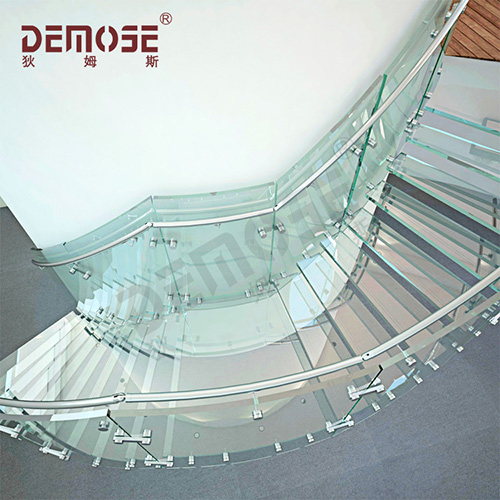
Navigating the Import Process: A Step-by-Step Overview
Once a manufacturer is selected, understanding the logistics chain is essential.
- Quotation and Contract: A detailed quotation should break down costs for materials, labor, finishing, crating, and freight. The contract should clearly outline deliverables, timelines, payment schedules, and incoterms (International Commercial Terms), which define the responsibilities of the buyer and seller regarding shipping, insurance, and risk.
- Design and Engineering Approval: This phase involves finalizing detailed drawings, 3D renders, and engineering calculations. Your formal approval at this stage triggers the commencement of production.
- Production and Quality Control: The manufacturer will provide a production timeline. Reputable partners will offer progress updates and photos. A rigorous Quality Control (QC) check before packaging is non-negotiable.
- Crating and Packaging: Staircases are high-value, often bulky items. They must be crated with extreme care using weather-resistant and shock-absorbent packaging to survive the rigors of international shipping. Each component should be clearly labeled for easy identification upon arrival.
- Shipping and Logistics: Your manufacturer will typically handle arrangements with a freight forwarder. You must decide, often with professional advice, on the best shipping method (air freight for speed, sea freight for cost-effectiveness for large items) and manage customs clearance at the destination port. This involves preparing necessary documents like the commercial invoice, packing list, and certificate of origin.
- Delivery, Installation, and Aftercare: The staircase components will be delivered to the project site. It is crucial to have a skilled local installation team ready. Some manufacturers offer supervised installation services. Finally, clarify the warranty terms and after-sales support for any future needs.
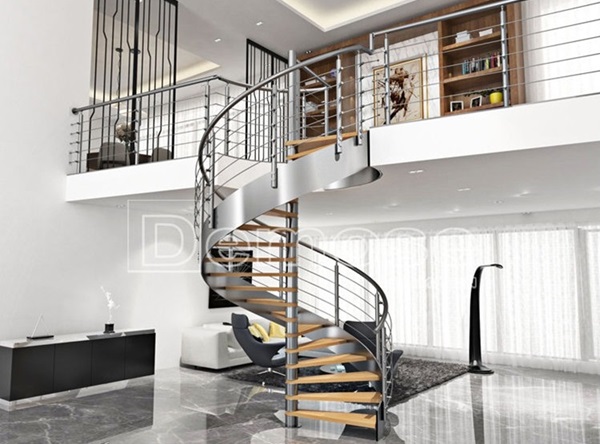
Conclusion: An Investment in Lasting Beauty and Function
Importing a custom staircase is a significant undertaking, but the rewards are profound. It is an investment in obtaining a unique, high-quality architectural element that can define a space for generations. The key to success lies in thorough research, clear communication, and partnering with a manufacturer whose commitment to quality, craftsmanship, and professional service matches your own vision. By understanding the journey from the factory floor to your front door, you can confidently navigate the process and achieve a spectacular result that elevates your entire project.
Recent Posts
-
 Loft Stairs: Design Ideas, Styles, and Material Guide
 -
 Indoor Steel Structure Stairs: The Fusion of Strength and Style
 -
 Framed Glass Railing: A Guide to Style, Safety, and Durability
 -
 Curved Glass Staircase: The Pinnacle of Modern Architectural Design
 -
 Finding the Right Custom Stair Companies for Your Project